









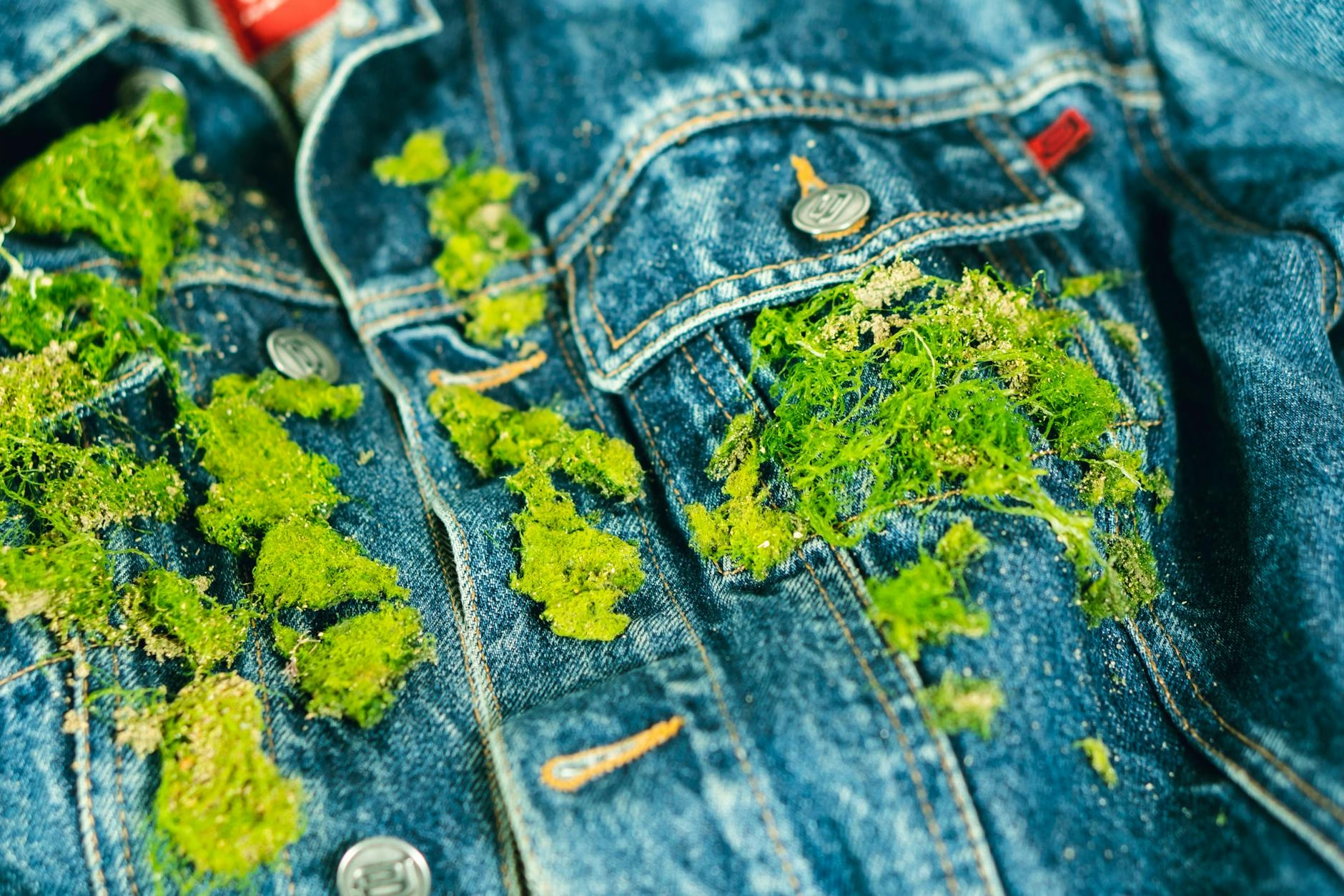
The ubiquitous nature of denim jeans, a staple in wardrobes worldwide, is increasingly drawing scrutiny for its significant environmental footprint. From the vast water consumption during cotton cultivation and dyeing processes to the chemical treatments involved in achieving various washes and finishes, the production of a single pair of jeans can have a profound impact on ecosystems. This growing concern prompts a critical look at whether our love for denim is sustainable and what solutions are emerging to mitigate its environmental toll without sacrificing style.
The Environmental Cost of Cotton and Denim Production
Cotton, the primary raw material for denim, is notoriously water-intensive. Growing enough cotton for just one pair of jeans can require thousands of liters of water, a significant burden in regions often facing water scarcity. Furthermore, conventional cotton farming frequently relies on heavy pesticide and insecticide use, which can contaminate soil and water sources, harming biodiversity and human health.
The dyeing and finishing stages of denim production present further environmental challenges. The indigo dyeing process, while iconic, often involves chemicals that can pollute waterways if not treated properly. Post-dyeing treatments, such as stonewashing, bleaching, and distressing, utilize further chemical agents and can generate substantial wastewater.
Innovative Solutions for Sustainable Denim
Recognizing the environmental impact, the fashion industry is exploring and implementing innovative approaches to make denim production more sustainable. Brands and manufacturers are shifting towards more eco-conscious practices, driven by consumer demand for ethical and environmentally responsible products.
One key area of innovation is the use of alternative fibers and recycled materials. Blends of organic cotton, recycled cotton, and even materials like hemp or Tencel (lyocell) are being introduced. Organic cotton cultivation eliminates the need for synthetic pesticides and fertilizers, while recycled cotton reduces the demand for virgin resources and diverts waste from landfills.
Water-saving technologies are also transforming denim manufacturing. Brands are investing in advanced dyeing techniques that use significantly less water, such as waterless dyeing systems or ozone washing, which replaces harsh chemicals with oxygen. Laser finishing is another technology gaining traction, allowing for distressing and fading effects without the use of water or chemicals.
Expert Insights and Data Points
According to the World Wildlife Fund (WWF), conventional cotton farming is responsible for about 16% of the world’s insecticide use and 10% of global pesticide use. This highlights the urgent need for more sustainable farming practices. The Ellen MacArthur Foundation reports that the fashion industry uses 93 billion cubic meters of water annually, enough to meet the needs of five million people. Denim production contributes a significant portion to this figure.
Mr. Sujoy, an expert in sustainable fashion, emphasizes that consumers do not have to abandon fashion entirely to protect the environment. He suggests that choosing garments made from organic or recycled materials, opting for brands committed to sustainable practices, and extending the lifespan of clothing through proper care and repair are crucial steps. “Educating consumers about the lifecycle of their clothes is paramount,” he stated in a recent discussion on the topic. “When people understand the resources that go into their jeans, they are more likely to make conscious choices.”
Implications for Consumers and the Industry
The shift towards sustainable denim has significant implications. For consumers, it means having access to stylish and durable jeans that align with their environmental values. It also encourages a more mindful approach to consumption, focusing on quality over quantity and valuing the longevity of garments.
For the fashion industry, embracing sustainability is no longer just a trend but a necessity for long-term viability. Companies that fail to adapt risk losing market share to more environmentally conscious competitors. The development and adoption of new technologies and materials present opportunities for innovation and growth.
The Future of Denim: A Greener Wardrobe Staple
The journey towards truly sustainable denim is ongoing, with challenges remaining in scaling up innovative solutions and ensuring affordability. However, the increasing awareness and the proactive steps being taken by brands, manufacturers, and consumers suggest a promising future. The iconic denim jean may very well evolve into a symbol of both style and environmental responsibility, proving that fashion and planetary health can indeed go hand-in-hand.